The term vent is often associated with the physical act of allowing air, gas, or liquid to escape from a confined space. However, its significance extends far beyond this literal interpretation. In the realm of emotional expression, venting serves as a crucial mechanism for individuals to articulate their feelings and thoughts. It is a process that enables us to release pent-up emotions, whether they stem from frustration, sadness, or even joy.
Understanding the concept of venting is essential for recognizing its role in our mental and emotional well-being.At its core, venting is about communication—both with ourselves and with others. When we vent our emotions, we are not merely expressing discontent; we are engaging in a vital dialogue that can lead to greater self-awareness and emotional clarity. This act of sharing our feelings can take many forms, from casual conversations with friends to more structured discussions in therapeutic settings. Regardless of the medium, the importance of venting cannot be overstated; it allows us to process our experiences and fosters connections with those around us.Moreover, the act of venting can serve as a powerful tool for stress relief.
By verbalizing our thoughts and emotions, we create an opportunity to unload burdens that may otherwise weigh heavily on our minds. This release can lead to a sense of relief and even catharsis, making it easier to navigate life's challenges. In essence, understanding the meaning of venting is not just about recognizing its definition; it is about appreciating its profound impact on our emotional landscape.As we delve deeper into the topic of venting throughout this article, we will explore its various dimensions—how it influences our relationships, the importance of healthy venting practices, and the transformative power of words in expressing our innermost feelings. By grasping the full scope of what it means to vent, we can harness this powerful tool for personal growth and emotional resilience.
The Different Meanings of Vent
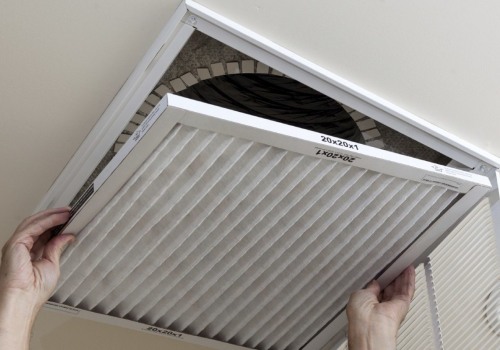
The word vent carries a rich tapestry of meanings that extend far beyond its physical connotation.Understanding these various definitions is essential for grasping the full scope of what it means to vent, both literally and metaphorically.At its core, the term vent originates from the Latin word ventus, meaning wind. This etymology highlights its primary definition: an opening that allows air, gas, or liquid to flow in or out of a confined space. For instance, in architecture and engineering, vents are crucial for ensuring proper airflow in buildings and machinery. They help regulate temperature and maintain air quality, demonstrating the importance of ventilation systems in our daily lives.However, the significance of vent extends into the realm of emotional expression.
In this context, to vent means to release pent-up feelings or frustrations. This metaphorical use of the word captures the essence of emotional catharsis. When individuals feel overwhelmed by stress or anger, they often seek to vent their emotions as a way to alleviate their mental burden. This can manifest through conversations with friends, journaling, or even creative outlets like art and music.Moreover, venting serves as a vital communication tool.
It allows individuals to articulate their thoughts and feelings clearly, fostering understanding and connection with others. By sharing our experiences and emotions, we not only lighten our own emotional load but also invite empathy and support from those around us.In addition to these meanings, vent can also refer to specific actions such as airing grievances or expressing opinions publicly. This usage is particularly relevant in social contexts where individuals feel compelled to voice their concerns about societal issues or personal experiences. For example, social media platforms have become modern-day vents where people share their thoughts on various topics, from politics to personal struggles.In summary, the word vent encompasses a range of meanings that highlight both its physical and metaphorical significance.
Whether referring to an opening that facilitates airflow or the act of expressing emotions, understanding these definitions enriches our comprehension of how we communicate and connect with one another.
The Psychological Benefits of Venting
Venting serves as a crucial outlet for emotional expression, offering numerous psychological benefits that can significantly enhance our mental health. When we allow ourselves to vent, we engage in a process of emotional release that can alleviate stress and promote overall well-being.One of the primary benefits of venting is its ability to reduce feelings of anxiety and tension. Holding onto negative emotions can lead to a buildup of stress, which may manifest in various physical and mental health issues. By expressing our feelings, whether through conversation, writing, or other forms of communication, we create a space for those emotions to be acknowledged and processed.This act of releasing pent-up feelings can lead to a profound sense of relief.Moreover, venting can foster better emotional regulation. When we articulate our thoughts and feelings, we gain clarity about what is bothering us. This clarity allows us to understand our emotions more deeply and respond to them in healthier ways. Instead of reacting impulsively or suppressing our feelings, we learn to navigate our emotional landscape with greater awareness.Another significant aspect of venting is its role in strengthening interpersonal relationships.
Sharing our experiences and frustrations with trusted friends or family members not only helps us feel heard but also fosters empathy and understanding. When we open up about our struggles, it encourages others to do the same, creating a supportive environment where everyone feels validated. This mutual exchange can deepen connections and enhance trust among individuals.Additionally, the psychological effects of venting extend beyond immediate relief. Regularly expressing emotions can contribute to long-term mental health benefits.
It can help prevent the accumulation of unresolved feelings that might otherwise lead to more serious issues such as depression or chronic stress. By making venting a part of our routine emotional maintenance, we cultivate resilience against future challenges.In conclusion, the act of venting is not merely a release; it is a vital practice for maintaining mental health. By embracing this powerful tool for emotional expression, we unlock the potential for greater self-awareness, improved relationships, and enhanced overall well-being. Remember that finding healthy ways to vent—whether through conversation, journaling, or creative outlets—can be transformative in navigating life's ups and downs.
Healthy vs.
Unhealthy Venting: Finding BalanceVenting is a natural response to stress and emotional turmoil, but not all forms of venting are created equal. Understanding the distinction between healthy and unhealthy venting is crucial for maintaining emotional well-being and fostering positive relationships.
What is Healthy Venting?
Healthy venting involves expressing emotions in a constructive manner that promotes understanding and healing. It allows individuals to articulate their feelings without resorting to harmful behaviors or negative consequences. Here are some key characteristics of healthy venting:- Constructive Communication: Healthy venting focuses on sharing feelings and thoughts clearly and respectfully.
This can involve discussing frustrations with a trusted friend or writing in a journal.
- Emotional Release: It provides a safe outlet for emotions, helping to alleviate stress and anxiety. This can lead to a sense of relief and clarity.
- Supportive Environment: Healthy venting occurs in a space where the listener is empathetic and non-judgmental, allowing for open dialogue.
- Problem-Solving: It often leads to constructive discussions about solutions or coping strategies, rather than merely complaining.
The Dangers of Unhealthy Venting
On the other hand, unhealthy venting can exacerbate problems rather than resolve them. It often manifests in ways that are detrimental to both the individual and their relationships. Here are some signs of unhealthy venting:- Excessive Negativity: Constantly focusing on problems without seeking solutions can create a toxic atmosphere, both for the individual and those around them.
- Aggressive Outbursts: Venting through anger or aggression can lead to conflict and damage relationships, pushing away those who might otherwise offer support.
- Lack of Accountability: Unhealthy venting often involves blaming others for one’s feelings without taking responsibility for one’s own emotions or actions.
- Circular Conversations: Engaging in repetitive discussions about the same issues without progress can lead to frustration and hopelessness.
How to Vent Properly
To ensure that your venting is healthy, consider these practical tips:- Select the Right Audience: Choose someone who is supportive and willing to listen without judgment.
This could be a friend, family member, or therapist.
- Be Mindful of Timing: Ensure that the person you are venting to is in a position to listen. Timing can significantly affect how your message is received.
- Use "I" Statements: Frame your feelings using "I" statements (e.g., "I feel overwhelmed when..."), which can help prevent the listener from feeling attacked.
- Aim for Solutions: After expressing your feelings, consider discussing potential solutions or coping strategies together.
The Role of Communication in Venting
Effective communication is a cornerstone of successful venting. When we articulate our feelings clearly, we not only release pent-up emotions but also foster understanding and connection with others. The process of venting is not merely about expressing frustration; it is about conveying our thoughts in a way that resonates with those we are communicating with.To enhance the effectiveness of our venting, consider the following techniques:- Use "I" Statements: Instead of saying, "You never listen to me," try framing your feelings with "I feel unheard when..." This approach reduces defensiveness and encourages open dialogue.
- Be Specific: Clearly articulate what is bothering you.
Instead of generalizing, pinpoint the exact situation or behavior that triggered your feelings. This clarity helps the listener understand your perspective better.
- Choose the Right Time and Place: Timing can significantly impact how your message is received. Venting in a calm environment, free from distractions, allows for a more productive conversation.
- Practice Active Listening: Venting is a two-way street. Encourage the other person to share their thoughts as well.
This mutual exchange fosters empathy and strengthens relationships.
- Avoid Blame: Focus on expressing your feelings rather than assigning blame. This approach minimizes conflict and promotes a more constructive conversation.
This reciprocal sharing can lead to stronger bonds and a greater sense of support.Moreover, effective communication during venting can also help in resolving conflicts. When both parties feel heard and understood, it paves the way for finding common ground and solutions to underlying issues. In contrast, vague or aggressive communication can lead to misunderstandings and further resentment.In conclusion, mastering the art of communication while venting is essential for emotional well-being and relationship health. By employing clear expression techniques, we not only release our emotions but also cultivate an environment where open dialogue can flourish.
Venting in Different Contexts: Personal and Professional Settings
Venting is a universal human experience, but its expression can vary significantly depending on the context.Understanding how venting manifests in both personal and professional settings is crucial for effective communication and emotional well-being.
Venting in Personal Relationships
In personal relationships, venting often serves as a means of emotional release and connection. Friends and family members frequently provide a safe space for individuals to express their frustrations, joys, and concerns. This type of venting can strengthen bonds, as it fosters understanding and empathy.- Choosing the Right Listener: It’s essential to select someone who is not only willing to listen but also capable of providing support without judgment. This could be a close friend, a family member, or even a therapist.
- Timing Matters: Venting should occur at appropriate times.
For instance, discussing a stressful day at work during a family dinner may not be the best choice. Instead, find a moment when both parties can engage fully in the conversation.
- Be Mindful of Repetition: While it’s natural to revisit certain topics, constantly venting about the same issue can lead to frustration for both parties. Aim for resolution or constructive discussion rather than dwelling on negativity.
Venting in Professional Settings
In the workplace, venting can be a double-edged sword. On one hand, it allows employees to express their concerns and frustrations; on the other hand, it can lead to misunderstandings or conflicts if not handled appropriately.- Finding Appropriate Channels: Many workplaces have designated channels for expressing grievances or concerns, such as HR departments or employee feedback systems.
Utilizing these channels can ensure that your venting is constructive and leads to positive change.
- Maintaining Professionalism: When venting at work, it’s crucial to remain professional. Avoid gossiping about colleagues or engaging in negative talk that could harm workplace relationships.
- Focus on Solutions: Instead of merely airing grievances, try to frame your venting around potential solutions. This approach not only demonstrates initiative but also encourages a more productive dialogue.
Coping Strategies: Alternatives to Venting
While venting can be a healthy way to express emotions, there are times when it may not be the most appropriate or effective method for managing feelings.In such cases, exploring alternative coping strategies can provide valuable tools for emotional management. Here are several techniques that can help individuals navigate their emotions without resorting to venting.
1.Journaling
Journaling is a powerful tool for self-reflection and emotional processing. By writing down thoughts and feelings, individuals can gain clarity and insight into their emotional states. This practice allows for:- Self-Expression: Putting pen to paper can serve as a safe outlet for emotions, helping to articulate feelings that may be difficult to express verbally.
- Stress Relief: The act of writing can be therapeutic, providing a sense of relief from pent-up emotions.
- Pattern Recognition: Regular journaling can help identify recurring themes or triggers in one’s emotional landscape, leading to better understanding and management of those feelings.
2.Mindfulness and Meditation
Mindfulness practices, including meditation, can significantly enhance emotional regulation.These techniques encourage individuals to focus on the present moment, fostering a sense of calm and reducing anxiety. Benefits include:
- Increased Awareness: Mindfulness helps individuals become more aware of their thoughts and feelings without judgment, allowing for healthier responses.
- Emotional Resilience: Regular practice can build resilience against stressors, making it easier to cope with challenging emotions.
- Improved Focus: Mindfulness enhances concentration and clarity, which can aid in problem-solving and decision-making during emotional turmoil.
3.Seeking Professional Help
If emotions feel overwhelming or unmanageable, seeking support from a mental health professional can be an invaluable step. Therapy offers a safe space to explore feelings and develop coping strategies tailored to individual needs. Benefits of professional help include:- Expert Guidance: Therapists provide tools and techniques based on psychological principles that can aid in emotional management.
- Non-Judgmental Support: A therapist offers a confidential environment where individuals can express themselves freely without fear of judgment.
- Coping Skills Development: Therapy often focuses on building effective coping strategies that go beyond venting, equipping individuals with skills for long-term emotional health.
Techniques such as journaling, mindfulness practices, and seeking professional help can empower individuals to manage their emotions effectively and constructively.
FAQs About Venting: Common Questions Answered
Venting is a common practice that many people engage in, yet there are still numerous questions surrounding its purpose and effectiveness. Below, we address some of the most frequently asked questions about venting to help clarify misconceptions and provide deeper insights into this essential emotional release.What is venting, and why is it important?
Venting refers to the act of expressing one’s thoughts and feelings, particularly those that are negative or stressful. It serves as a crucial outlet for emotions, allowing individuals to process their experiences and alleviate mental burdens. By voicing frustrations or concerns, we can gain clarity and perspective, which can lead to improved emotional well-being.Is venting always beneficial?
While venting can be a healthy way to release emotions, it is not universally beneficial.The effectiveness of venting often depends on how it is done. Healthy venting involves expressing feelings in a constructive manner, whereas unhealthy venting may involve excessive complaining or blaming others. It’s essential to find a balance and ensure that the act of venting does not lead to further negativity.
Who should I vent to?
Choosing the right person to vent to is crucial for effective emotional release. Ideally, you should confide in someone who is empathetic, non-judgmental, and trustworthy.This could be a close friend, family member, or even a mental health professional. Avoid venting to someone who may exacerbate your feelings or dismiss your concerns.
How can I ensure my venting is healthy?
- Use "I" statements: Focus on your feelings rather than blaming others.
- Set boundaries: Limit the time spent venting to avoid dwelling on negativity.
- Seek solutions: After expressing your feelings, consider discussing potential solutions or coping strategies.
Can venting lead to better relationships?
Yes, when done appropriately, venting can enhance relationships. Open communication fosters trust and understanding between individuals. By sharing your feelings honestly, you invite others to do the same, creating a supportive environment where both parties feel heard and valued.In conclusion, understanding the nuances of venting can empower individuals to use this practice effectively.By addressing common questions and misconceptions, we can appreciate the true power of expressing our emotions in a healthy way.
Conclusion: Embracing the Power of Venting for Emotional Health
In conclusion, the act of venting serves as a vital mechanism for maintaining our emotional health. Throughout this exploration, we have uncovered the multifaceted nature of venting, recognizing it not merely as a release of pent-up emotions but as a crucial component of effective communication and interpersonal relationships.By embracing the power of venting, we can:- Enhance Emotional Clarity: Venting allows us to articulate our feelings, leading to greater self-awareness and understanding. When we express our emotions, we can better identify their sources and address them constructively.
- Reduce Stress: Releasing built-up tension through healthy venting can significantly lower stress levels. This process helps to alleviate anxiety and promotes a sense of calmness.
- Strengthen Relationships: Openly sharing our thoughts and feelings fosters trust and intimacy in our relationships.
When we vent to someone who listens empathetically, it creates a supportive environment that encourages deeper connections.
- Encourage Problem-Solving: Venting can also serve as a catalyst for finding solutions. By discussing our frustrations with others, we may gain new perspectives that help us navigate challenges more effectively.
Instead, we should aim to express ourselves in ways that are constructive and respectful.Ultimately, the word vent encapsulates a powerful tool for emotional expression and healing. By recognizing its significance and practicing healthy venting techniques, we can unlock the full potential of this simple yet profound act. Let us embrace venting as a natural part of our emotional landscape, allowing it to guide us toward greater well-being and connection with ourselves and others.